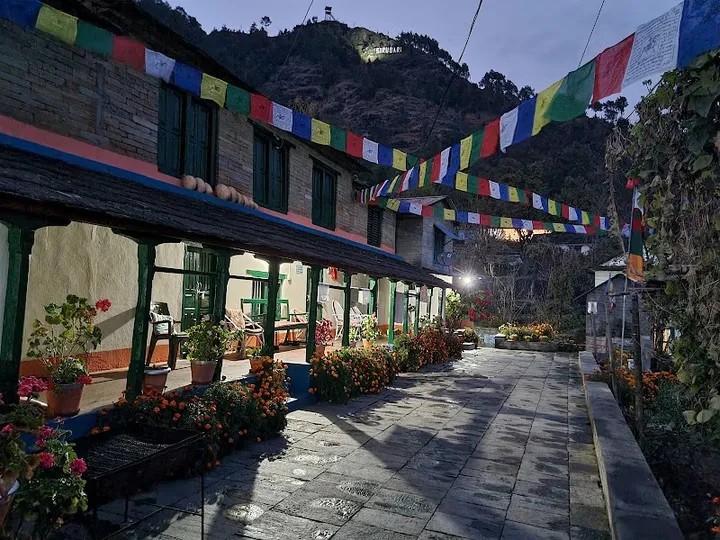
Mud houses, Tharu home cooking and the stick dance at dusk. A guide to the community homestays on the edges of two of Nepal’s best-known national parks.
Nawalpur and Bardiya, 17 November 2026:
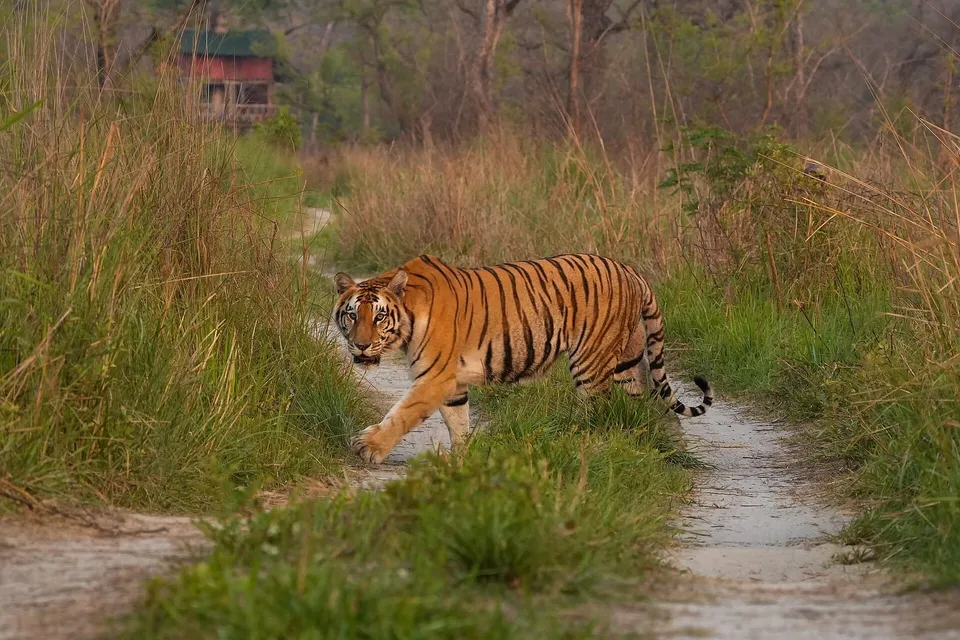
Nepal’s lowland national parks draw visitors for rhinos, tigers and birds. On their edges, Tharu villages have built a different reason to come: homestays where guests sleep in village houses, eat with families and spend the evening watching local dances. Three places show how this works.
Amaltari, on the Narayani
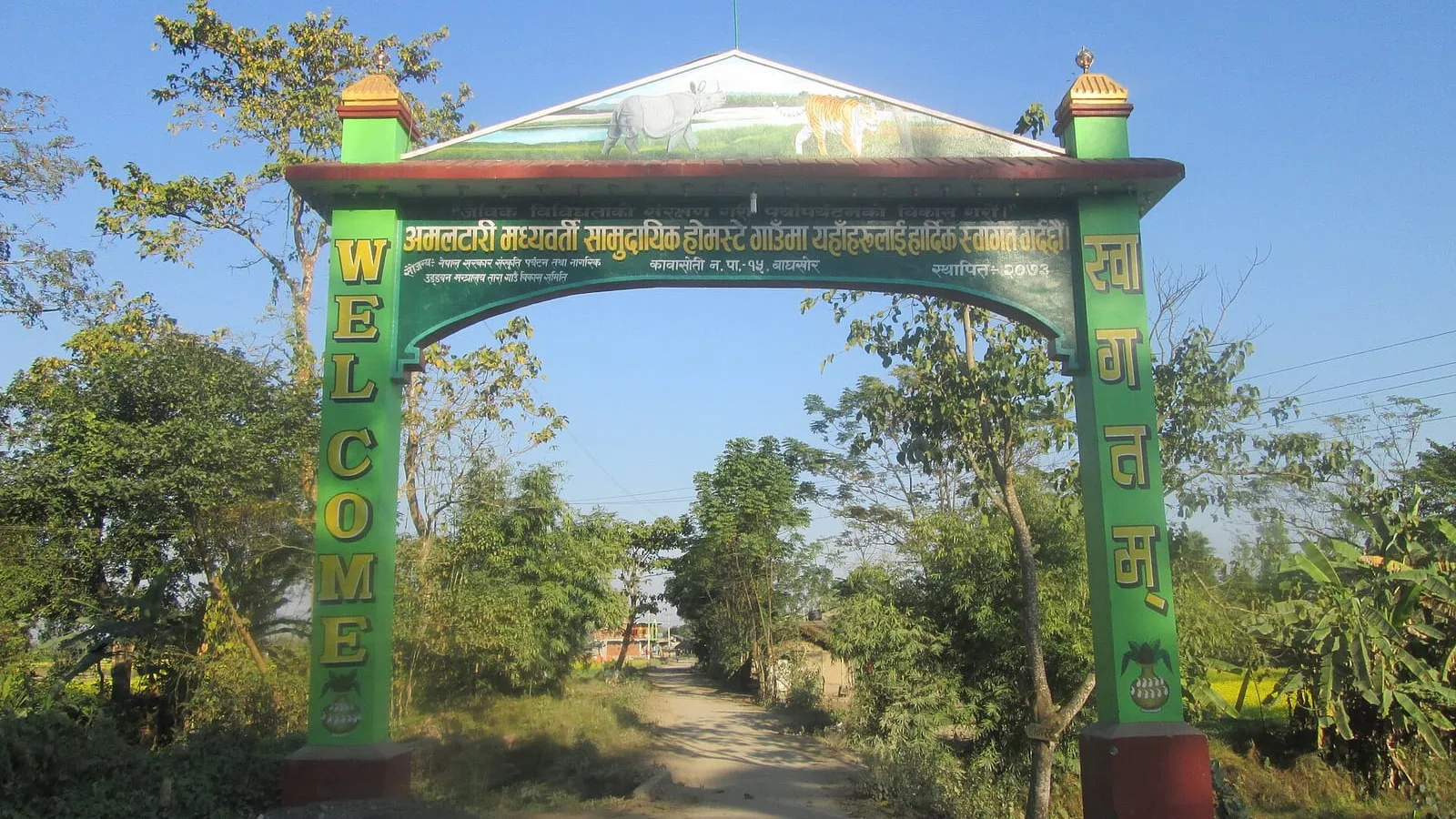
Amaltari sits in Kawasoti, Nawalpur, on the western edge of Chitwan National Park, which has been a UNESCO World Heritage Site since 1984. Its community homestay was set up in 2013 by local people with help from the government and WWF, and in 2017 the Ministry of Tourism named it the best homestay programme, Mongabay reported in a story republished by Onlinekhabar.
The same report describes how the village shares the work: homestay units take guests in turn, so no house is left out, and the money is divided equally among members every month. Host families come from the Tharu, Bote and Musahar communities.
Barauli, run by Tharu women
A short distance away in the same municipality, Tharu women in Barauli started a homestay in 2015 with the Community Homestay Network, which manages it under a ten-year agreement, according to the same Mongabay report. The network’s own page lists canoeing, birdwatching, Tharu wall painting and cooking classes.
Dalla, on the Bardiya corridor
In the far west, Dalla is a village of about 105 households, 98 percent of them Tharu, just 4 km south of Bardiya National Park. Twenty-two Tharu households started a homestay programme there in March 2011, and Britain’s Prince Harry visited in 2016, the Kathmandu Post reported.
Bardiya’s park office describes the Tharu as the original inhabitants of the area and lists gharial and Ganges river dolphins in the Karnali river.
What you will eat and see
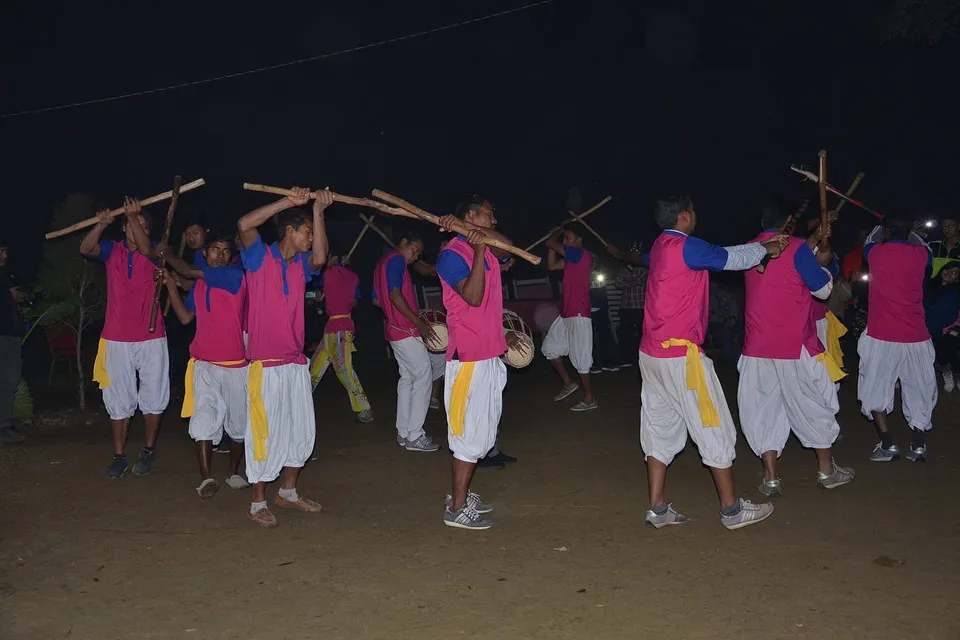
Expect Tharu dishes such as ghonghi, snails gathered from paddy fields, and dhikri, steamed rice cakes, both described in this Kathmandu Post food guide. In the evening, many villages put on the lathi or stick dance, performed to the madal drum and popular among the Tharu community.
Before you go
- Community homestays usually assign guests to families in turn, so you may not get to choose your house.
- Bring insect repellent and a torch. Village evenings are dark and the lowland has mosquitoes for much of the year.
- Ask before photographing people, especially during ceremonies.
- Jungle walks and safaris inside the parks need park permits and licensed guides. Ask your hosts to arrange them.