Nepal’s first tea estate, the sunrise at Antu and a Ramsar-listed lake at Mai Pokhari. A guide to seeing Ilam and where to stay.
Ilam, 17 November 2026:
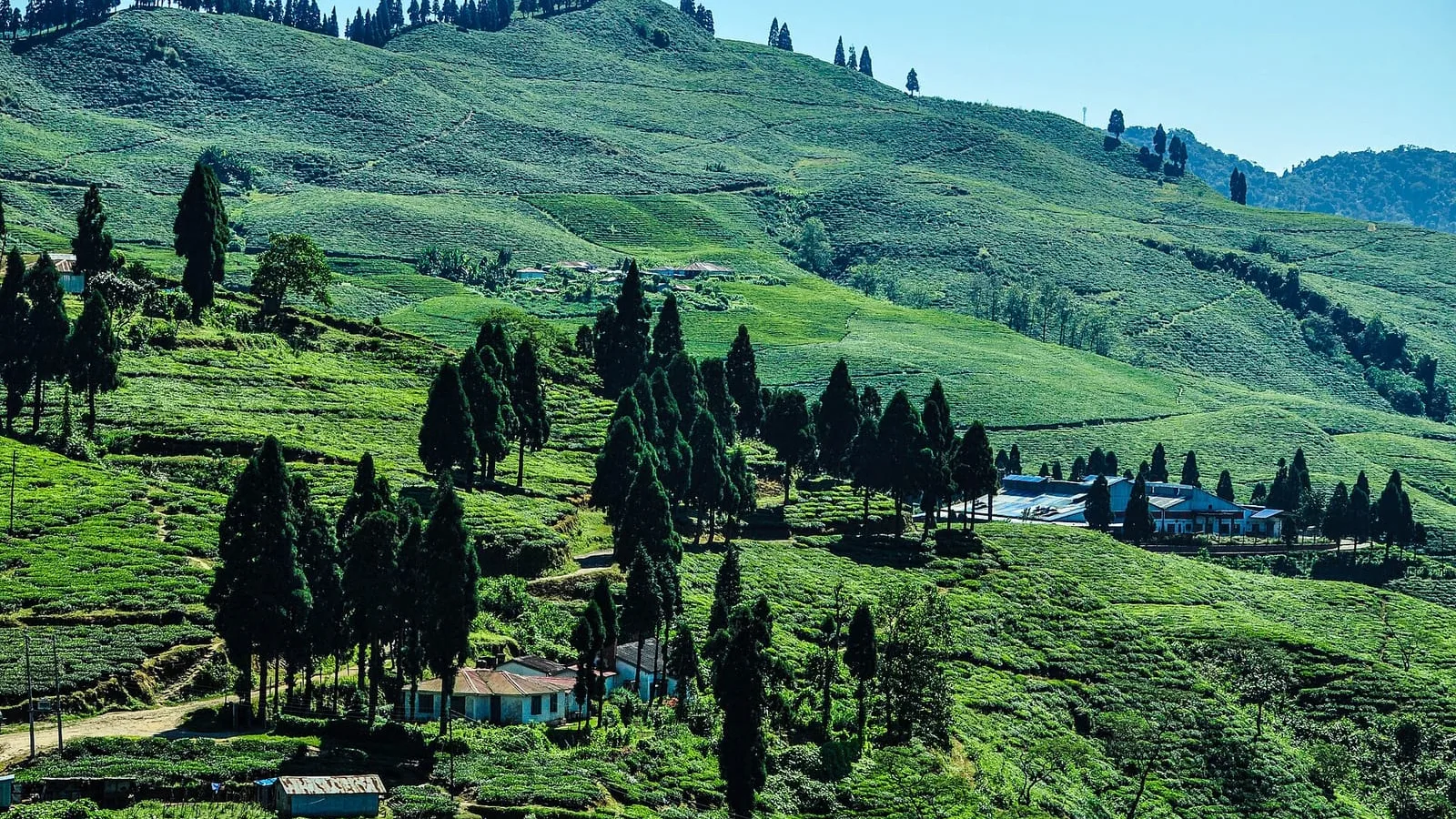
Ilam, in Nepal’s far east, is famous for its tea. Its green slopes, cool hills and sunrise viewpoints make it one of the easiest places in the country to slow down for a few days, and a growing number of families host guests among the tea gardens.
Where Nepal’s tea began
Nepal’s first tea estate was established in Ilam in 1863, and the country’s first tea factory is there too, the Himalayan Times reported. The National Tea and Coffee Development Board tells the story of tea seeds said to have been a gift to Jung Bahadur Rana from the Chinese emperor, planted in Ilam under the local governor Gajraj Singh Thapa.
Today visitors head to the Kanyam tea estate for walks, horse rides and picnics, according to the Nepal Tourism Board.
Sunrise at Antu
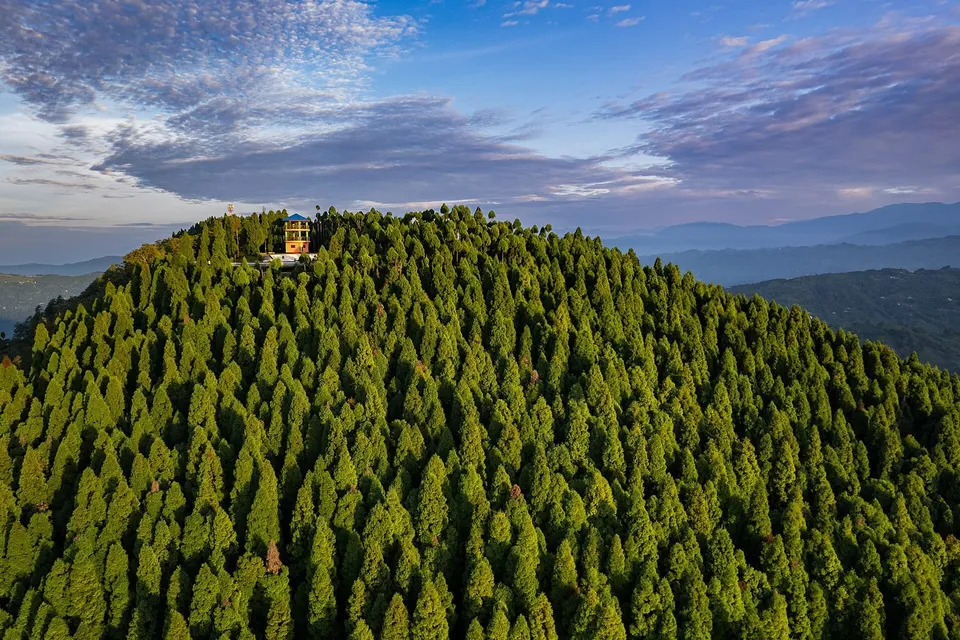
Antu Danda, at 2,328 metres and 13 km from Fikkal, is best known for its sunrise and sunset views, the Kathmandu Post wrote. It has become busy: in October 2025 about 2,000 people a day entered Antu through the municipality’s ticket system, the Rising Nepal reported.
Mai Pokhari, a sacred wetland
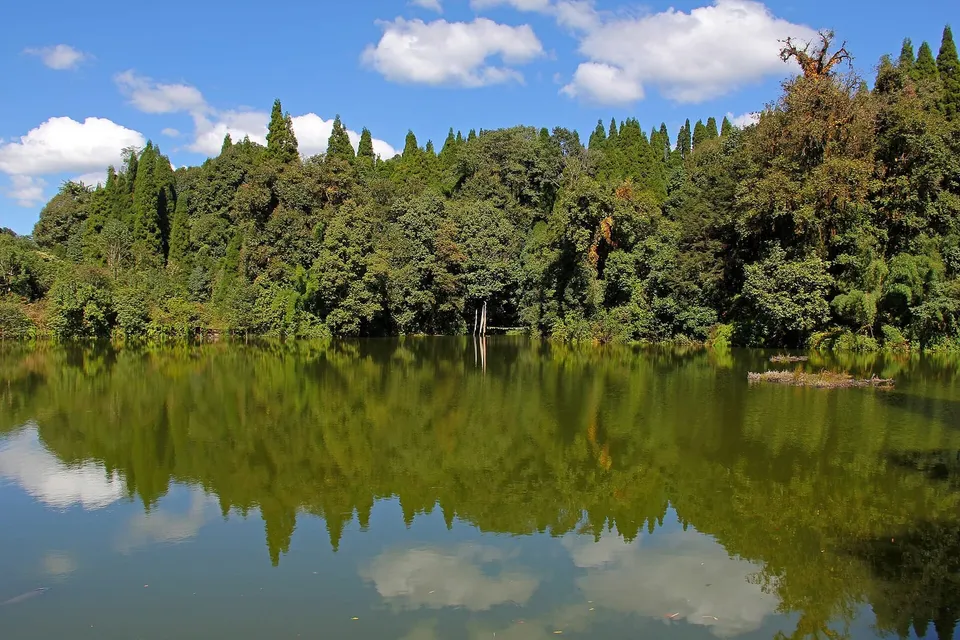
Mai Pokhari was added to the Ramsar list of wetlands of international importance in 2008. Its Ramsar summary says the name means "mother pond" and that the site brings together Buddhist, Hindu and Mundhum traditions. Higher still, Sandakpur at 3,636 metres is the district’s highest point, with views of Everest and Kanchenjunga, according to the Kathmandu Post.
Getting there and when to go
The quickest way is to fly from Kathmandu to Bhadrapur and drive about 77 km up the Mechi Highway, which takes around three hours to Ilam bazaar, the Kathmandu Post wrote. The Nepal Tourism Board recommends October to December or February to April. Mai Pokhari gets few visitors in the winter cold.